
On a large logistics facility delivered on a fast-track programme, seepage began appearing around several construction joints and a cold joint within months of completion. The crystalline admixture specified in the concrete mix had been correctly selected and dosed. The issue was not the concrete itself. The specification had assumed that the admixture alone would provide complete waterproofing performance, leaving critical joints without dedicated treatment. As is often the case, water found the precise locations where the system stopped and the assumptions began.
That project sits in a pattern that comes up repeatedly in waterproofing work. Products get specified in isolation, without a clear picture of where each one’s coverage ends and something else needs to begin. The gaps between them are where failures concentrate.
What Admixture Waterproofing Actually Does
What admixture waterproofing does is work within the concrete itself. Crystalline types generate crystite formations inside the capillary structure when moisture activates them, reducing the pathways water would travel through. Hydrophobic types change the surface chemistry of those pathways without blocking them. In both cases, the protection is built into the material rather than applied on top of it, which is the appeal.
The limitation is geographic rather than chemical. Admixtures protect what they are in. They cannot reach joints formed between separate pours, penetrations where other materials pass through the structure, or cold joints where the continuity of the concrete was broken. Those locations need their own treatment, and a specification that does not account for them has left the most vulnerable parts of the structure unaddressed.
Where Surface Applied Systems Take Over
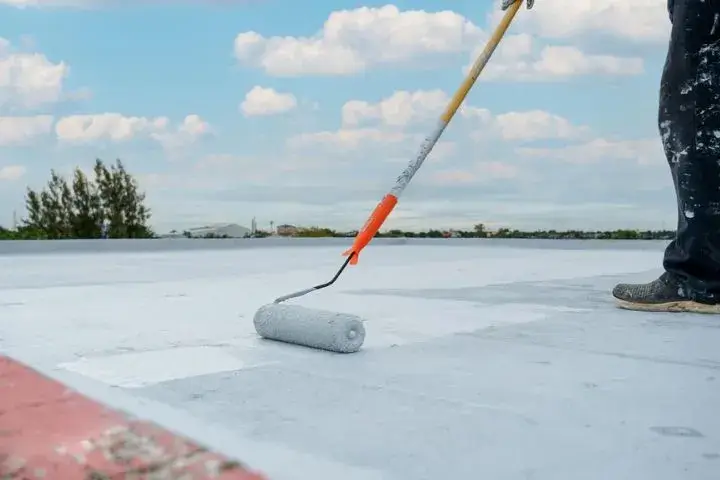
The surfaces and details that admixtures cannot reach are where membrane systems, coatings, and injection products pick up the waterproofing responsibility. Cementitious slurries applied to internal faces of basement walls. Sheet membranes bonded to external faces before backfill. Hydrophilic strips installed at construction joints before the adjacent pour. Injection ports placed at cold joints to allow remedial grouting if movement or seepage occurs.
Each of these addresses a specific vulnerability in a concrete structure. The contractor who understands which vulnerability each product is addressing, and sequences the application correctly relative to the construction programme, produces a result that holds. The one who treats them as interchangeable options and picks based on familiarity or price tends to find gaps in the coverage.
Thinking In Systems Rather Than Products
The shift from product selection to system thinking is where complete waterproofing solutions become meaningful in practice. A system approach starts with the structure’s geometry, the groundwater conditions, the construction methodology, and the consequences of any failure in service. It then maps each vulnerability to the appropriate product and specifies how those products interact at the transitions between them.
A basement in saline groundwater requires a different system from one in freshwater. A structure with a complex programme of staged pours requires more detailed joint treatment than one cast in a single continuous operation. An occupied building where remedial access would be disruptive requires a higher standard of confidence in the initial specification than a structure where post-construction intervention is straightforward.
These distinctions change the specification significantly. A system built around understanding them performs in service. One built around what was used on the last similar job may or may not, depending on how similar the conditions actually were.
The Specification Process That Makes It Work
Getting waterproofing right on a concrete structure starts with the design stage, not the construction stage. By the time concrete is being poured, several of the decisions that determine whether the structure will be watertight have already been made or missed. Concrete mix design, joint locations, pour sequencing, and the provision of fixing points for external membranes all need to be considered while there is still opportunity to influence them.