
Introduction
Answering remote vs. hybrid vs. office: what works best in 2026? starts with looking at real role requirements, employee retention, and operating economics rather than treating one workplace setup as a universal winner. Workforce research shows hybrid arrangements have become a central baseline for many knowledge teams, while remote work continues to support deep focus and distributed hiring, and physical offices remain valuable for direct collaboration and early-career learning. At the same time, running a growing company requires clear visibility and demand, making it essential to Advertise your business around specific goals and real buyer needs. Choosing intentionally helps both people and performance thrive.
How to Advertise Your Business & Decide Remote vs. Hybrid vs. Office: What Works Best in 2026?
1. Compare Remote, Hybrid, and Office Trade-Offs on Productivity, Balance, and Costs
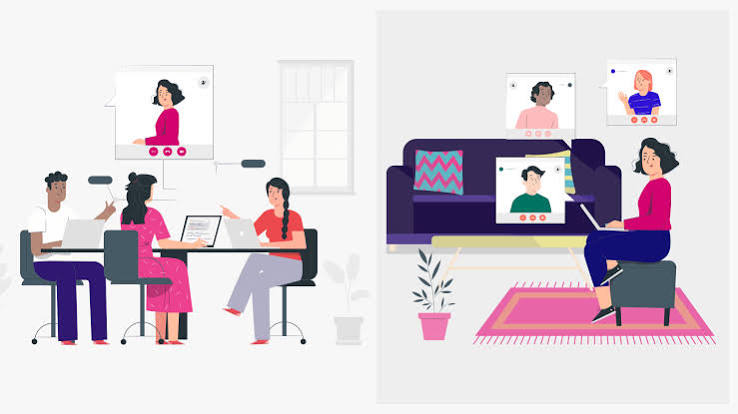
Each model carries distinct advantages and friction points. Remote work eliminates commuting, expands hiring beyond local boundaries, and lowers office real estate and utility costs, yet requires strong self-discipline and deliberate connection to prevent isolation. Office work provides daily structure, faster face-to-face alignment, and natural mentoring, though commutes and rigid schedules reduce flexibility. Hybrid setups blend quiet focus days with shared in-person time, provided schedules and coordination stay clear.
2. Match Work Models to Role Function, Mentorship, and Async vs. Sync Needs
A one-size-fits-all mandate rarely fits every function in an organization. Roles centered on independent deep work—such as engineering, writing, analysis, or specialized digital tasks—often thrive with high autonomy and asynchronous workflows, whereas roles relying on heavy cross-functional brainstorming, client handoffs, or early-career coaching benefit more from structured overlap or anchor days.
3. Advertise Your Business Clearly Across Channels That Fit Your Audience
Whether your team works remotely, in a hybrid rhythm, or on-site, steady revenue depends on how well you Advertise your business to the right buyers. Start by defining who your target audience is, where they spend time online or offline, and what problem you solve, then focus on fitting channels—such as SEO, helpful content, social media, short-form video, email newsletters, customer reviews, local visibility, or targeted ads—paired with a clear call to action and a relevant landing page.
4. Protect Retention and Avoid Blanket Mandates Driven Only by Real Estate
Blanket return-to-office mandates imposed purely to fill unused office space can trigger avoidable attrition among experienced staff who value flexibility. Replacing tenured employees carries real hiring, onboarding, and ramp-up costs, so weigh retention risk and true collaboration needs honestly before overhauling working policies.
5. Set Clear Boundaries, Communication Norms, and Outcome Tracking
Every model breaks down without clear expectations. Remote and hybrid teams need explicit response windows, documented decisions, and healthy work-life boundaries so work does not bleed endlessly into personal hours, while managers should evaluate results and deliverables rather than equating hours at a desk with output.
6. Re-Evaluate Your Model Regularly as Team Size and Markets Evolve
What fits a five-person remote team or a local service shop today may shift as headcount grows or new roles open. Review team feedback, output quality, coordination friction, and overhead costs periodically so your workplace model stays practical rather than habitual.
Why Growing Founders Advertise Your Business With Clear Goals and Measurable Channels
Promotional efforts pay off fastest when you Advertise your business against a concrete objective—such as acquiring new customers, launching an offer, repositioning a brand, or lifting retention—rather than treating promotion as a vague checkbox. Starting with one or two well-matched platforms, writing specific calls to action, and routing visitors to a focused landing page prevents wasted budget.
Set up conversion tracking before launch, test one change at a time over a meaningful window, and let real lead and sales data guide adjustments. Clear goals and disciplined testing keep growth steady across any work setup.
Frequently Asked Questions: Business Advertising & Growth
What is the first step to Advertise your business?
The first step to Advertise your business is turning a broad wish for visibility into a specific, measurable goal—such as generating qualified leads, launching a product, or boosting repeat orders—and defining your target audience and core message before picking channels.
How can you advertise your business online on a budget?
You can promote online on a lean budget by optimizing your website for search (SEO), publishing helpful articles or short videos, staying active on relevant social channels and communities, building an email list, and collecting positive customer reviews.
How do you choose the right social media or ad channel for your business?
Match the platform to your audience profile—whether B2B or B2C, local or broad—and the format that showcases your offer best, starting with one primary channel you can execute consistently rather than spreading thin across every network.
How do you know if your business advertising is working?
Track defined conversions—such as inquiries, bookings, sign-ups, or sales—through analytics, tracking links, or campaign pixels, and compare cost and return against your goal rather than relying on vanity likes or views alone.
Conclusion
Deciding on remote vs. hybrid vs. office: what works best in 2026? comes down to matching the work model to role demands, protecting team retention and clear boundaries, and keeping overhead aligned with how your team collaborates. When you Advertise your business with clear goals, targeted channels, and tracked conversions, strong demand supports sustainable growth. Audit your team’s core roles and top acquisition channel this week to tighten both execution and growth.